PRPWhat is PRP?
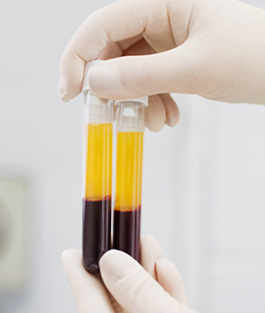
Platelet-rich plasma (PRP) is a treatment that uses a small sample of the patient’s own blood. A sample is taken and processed in a centrifuge to concentrate the platelets, and the platelet-rich plasma is then reintroduced into the treatment area of the skin or scalp.
Platelets contain growth factors that play a role in the body’s natural repair and healing processes. Because PRP uses the patient’s own blood, it is an autologous treatment, meaning the material comes from and returns to the same person.
What Conditions and Symptoms Can PRP Treat?
PRP may be considered for a range of skin and scalp concerns, including hair thinning, skin texture and the appearance of some scarring. Whether PRP is appropriate for you, and what you might reasonably expect from it, depends on your individual circumstances and is assessed during a consultation.
PRP is not suitable for everyone. People with certain blood disorders or skin conditions, and those taking some medications such as blood thinners, may not be suitable candidates. Your clinician will discuss this with you.
What the treatment involves
The process begins with a small blood sample, similar to a routine blood test. The sample is placed in a centrifuge, which separates the components of the blood so the platelet-rich portion can be collected. This is then reintroduced into the treatment area.
The appointment is usually completed within about an hour and is carried out in a clinical setting using single-use equipment.